
BRAND STORY
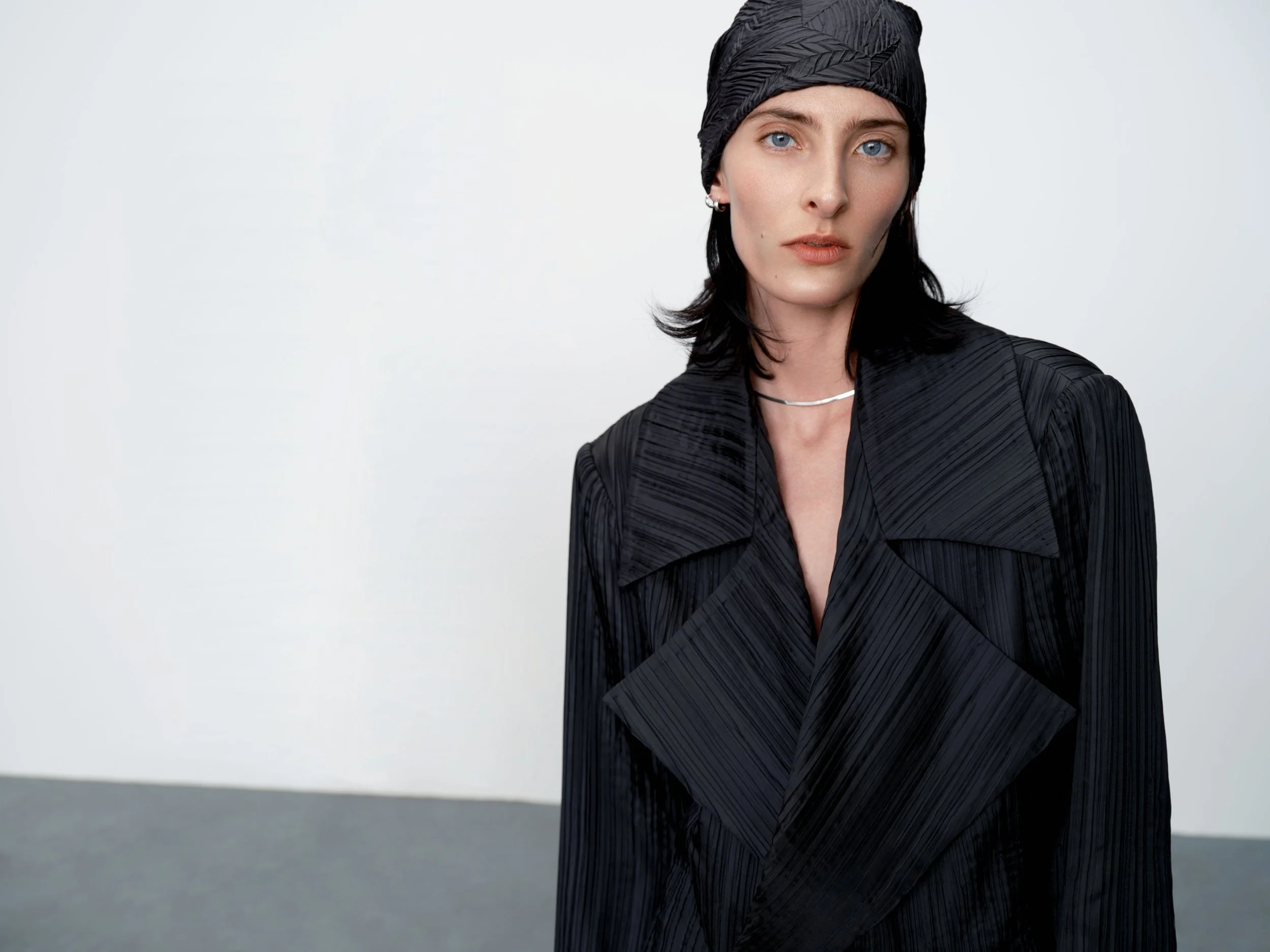
Cahaya is a London-based design studio and brand exploring texture through fashion, objects, and sensory experiences. Named after the Malay word for "light," Cahaya reflects the belief that both light and texture reveal themselves through movement, shadow, and perspective. What began as an exploration of pleating has evolved into a broader creative practice spanning garments, accessories, objects, and collaborations. Today, we continue to explore how texture shapes the way we see, feel, and connect with the world around us.
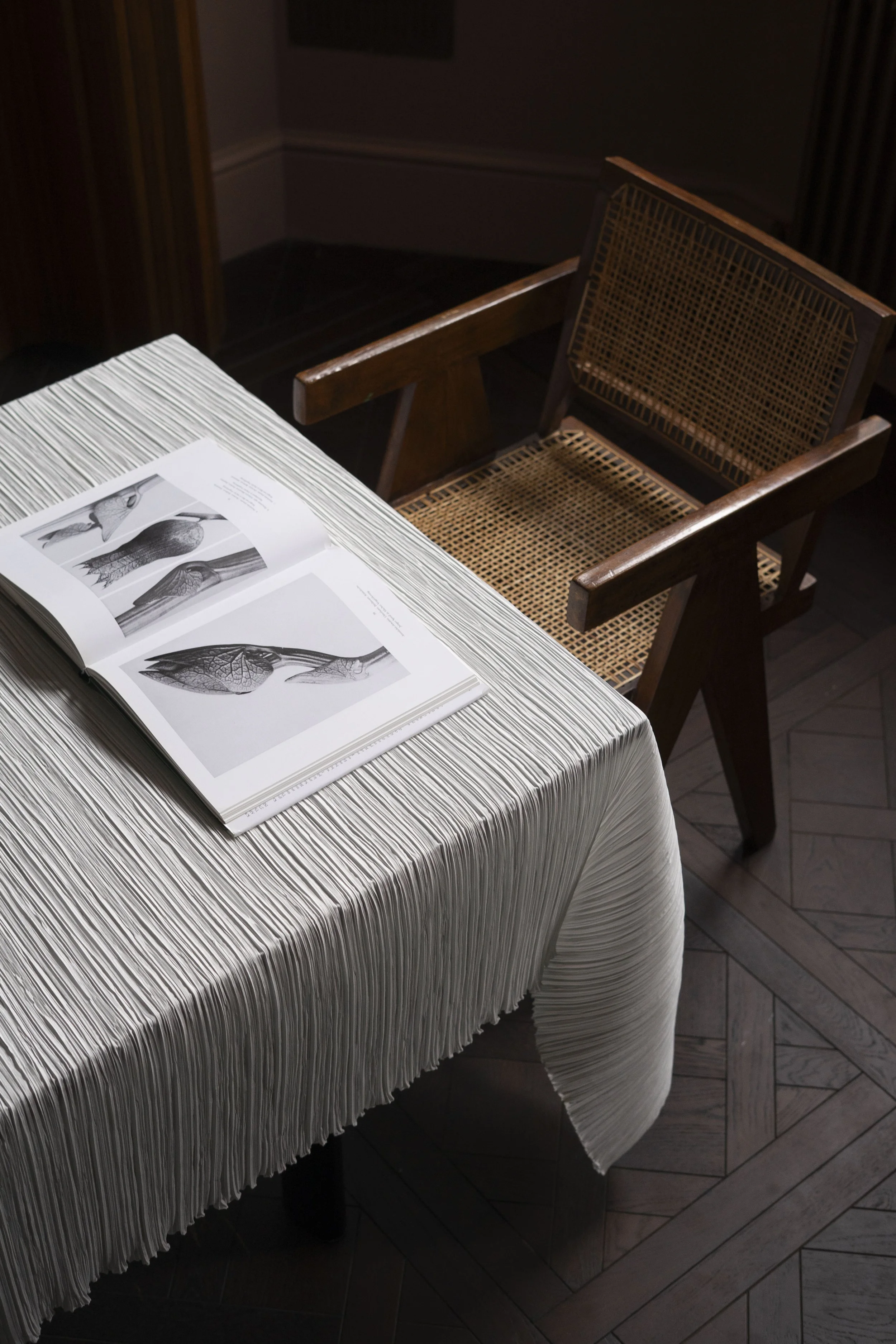
The name Cahaya - meaning "light" in Malay.
It reflects its core philosophy: light as a metaphor for life, ever-evolving, essential, and transformative.
— Founder Rain Chan
FOUNDER’S STORY
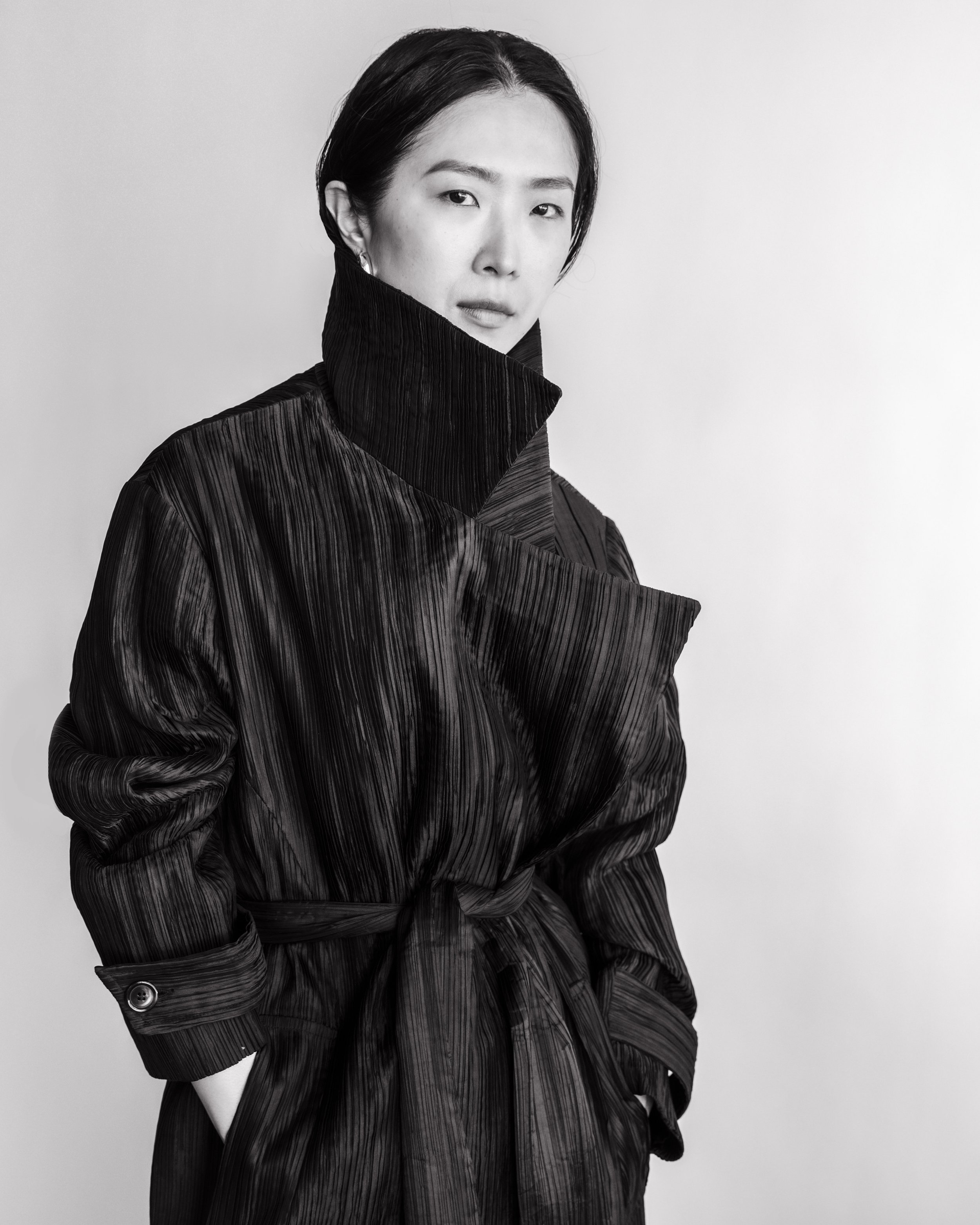
Cahaya was founded by Rain Chan, a Malaysian-born creative director and designer based in London.
For as long as she can remember, Rain has been fascinated by texture - from the patterns found in nature to the surfaces of architecture, sculpture, photography, and textiles. Over time, this fascination became what she describes as a texture obsession: an ongoing exploration of how materials shape the way we experience the world.
After more than eightteen years working alongside leading designers, photographers, and brands, a defining moment came when an unexpected encounter with a Savile Row pattern maker led her to a master pleater's workshop in North London. There, she discovered the centuries-old craft of pleating - a process that immediately resonated with her fascination for structure, light, shadow, and transformation.
Through Cahaya, Rain continues that exploration across fashion, objects, and collaborations, creating work that invites a slower and more tactile way of engaging with the world.

A LOVE LETTER TO PLEATS
The story began with an inspiring conversation with a pattern maker in Savile Row, London. I confessed my love of pleats, and he suggested I visit a pleating workshop not far from the bustling city.
I didn't waste any time. The very next day, I made my way there.
I left the workshop in awe and almost couldn't believe what I had seen. It felt like a wonderland. Watching flat pieces of fabric transformed through craftsmanship into forms full of texture, movement, and life was unlike anything I had experienced before.
Having never felt so inspired or passionate about something, I decided to build a contemporary brand that honours the ancient craft of pleating. A week after visiting the workshop, Cahaya was born.
At first, I thought I had fallen in love with pleats. Over time, I realised it was something even deeper. Pleating became my introduction to texture - to the way light interacts with a surface, how movement changes form, and how materials can evoke emotion, memory, and connection.
Today, Cahaya has evolved beyond garments into a broader exploration of texture through fashion, objects, and collaborations. Yet everything we create can be traced back to that moment in the pleating workshop. This is, and always will be, a love letter to pleats.
With love,
Rain
A CONVERSATION BETWEEN PLEATER AND FOUNDERTHE ART OF PLEATING
Pleating is one of the oldest textile techniques in the world, transforming a flat surface into something sculptural, dynamic, and full of movement.
For centuries, pleats have appeared across cultures and civilisations - from the garments of Ancient Egypt to the elaborate collars of the Elizabethan era. More than decoration, pleating has long been associated with craftsmanship, innovation, and artistry.
What fascinates us most is its remarkable ability to transform fabric. Through the simple act of folding, shaping, and manipulating material, pleating creates depth, structure, and rhythm from an otherwise flat surface. It changes the way a garment moves, how it interacts with light, and how it is experienced through touch.
At Cahaya, pleating is more than a technique - it is where our story began.
It was through pleating that we discovered our fascination with texture and the endless possibilities of transformation. What began as an exploration of pleated garments has since evolved into a broader creative practice spanning fashion, objects, and collaborations.
Today, pleating remains at the heart of our work: a timeless craft that continues to inspire the way we think about texture, craftsmanship, and human experience.
For us, pleating is not simply a process.
It is a way of seeing.